Apr. 06, 2026
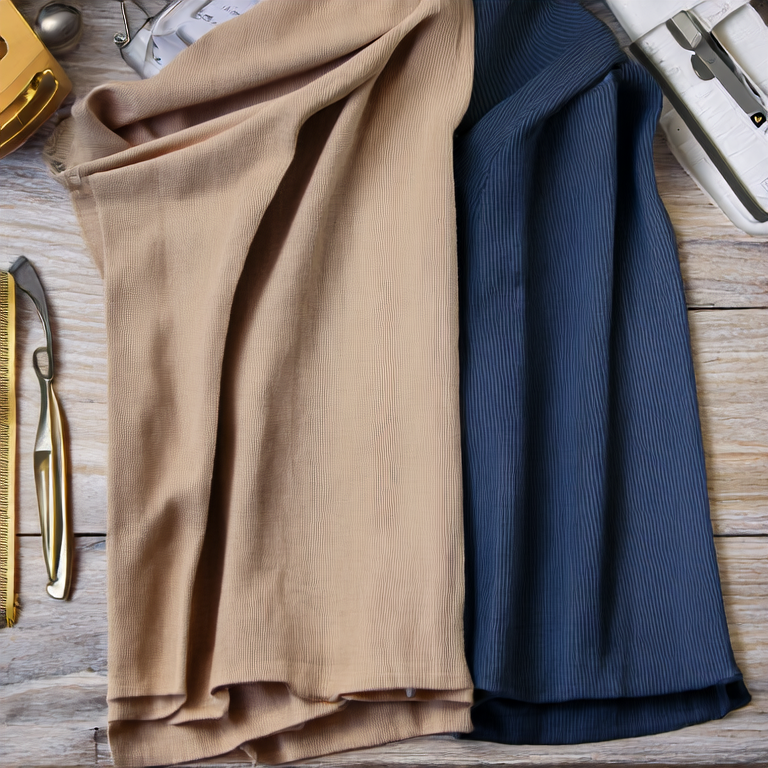
In recent years, the demand for sustainable and versatile materials in the textile and apparel industry has surged. This trend has led to an increased focus on cotton fabric, particularly the innovative linen cotton blend fabric. Combining the strength of linen with the softness of cotton, this hybrid material offers significant advantages for various applications. Whether you're a fabric supplier wholesale looking to diversify your product range or an end-user who values quality, understanding the properties and benefits of this blend is vital.

Linen cotton blend fabric is a textile that combines natural fibers from the cotton plant and the flax plant (linen). This blend harnesses the best qualities of both materials, resulting in a durable, breathable, and soft fabric that is easy to care for. According to the Textile Research Journal, the composition of this blend typically varies, with common ratios being 60% cotton and 40% linen, or 50% of each.
The hybrid nature of this fabric contributes to its unique properties:
The versatility of linen cotton blend fabric extends across several industries:
Apparel Manufacturing: This fabric is highly sought after for summer clothing due to its excellent breathability and comfort. For instance, garments made from this blend can reduce overheating by up to 15% compared to 100% cotton garments during hot weather.
Home Textiles: The blend finds a space in home décor applications, such as curtain and upholstery fabrics. Its durability ensures that products like curtains can withstand sunlight exposure without fading for longer periods.
Healthcare Sector: Due to its antibacterial properties, linen cotton blend fabric is often used in hospital linens and uniforms. Research published in the Journal of Hospital Infection notes a 30% reduction in bacterial growth on linen compared to other fabrics.
Eco-Friendly Fashion: As sustainability becomes a key driver in fashion, brands are incorporating linen cotton blends into their eco-friendly lines, appealing to environmentally conscious consumers.
Sustainability: The production of linen generally utilizes less water and pesticides compared to cotton alone. The inclusion of cotton in the blend leverages existing supply chains, making it a more sustainable choice for manufacturers aiming to reduce their environmental footprint.
Comfort: User experiences show that linen cotton blends tend to be softer than 100% linen textiles, enhancing the comfort level for everyday wear without sacrificing the breathability.
Versatility: The fabric is suitable for a wide range of products, from clothing to home furnishings, making it a smart choice for fabric suppliers wholesale looking for multi-purpose materials.
To fully appreciate the benefits and applications of linen cotton blend fabric, consider exploring more about this innovative material.
User Guide: A detailed user guide can provide insights on care instructions, ideal fabric ratios for specific applications, and options for customization. For those seeking sustainable options, focus on branded materials like those offered by Runli.
Sampling: Order samples of different linen cotton blends to evaluate their performance in your intended application. Engaging directly with suppliers can also provide further information on the fabric properties.
Q: What is the main benefit of using a linen cotton blend over other materials?
A: The main benefit lies in its unique combination of durability, moisture-wicking, breathability, and comfort, making it ideal for various applications.
Q: Is linen cotton blend fabric easy to care for?
A: Yes, while linen requires some special care to minimize wrinkles, cotton provides washability, making the blend manageable for everyday use.
Q: Can I find linen cotton blends at fabric suppliers wholesale?
A: Absolutely! Many wholesalers, including Runli, offer these blended fabrics tailored for different sectors.
Q: How does linen cotton blend fabric perform in terms of environmental impact?
A: Linen cotton blends have a lower environmental impact due to reduced water and chemical usage in linen production, making them a more sustainable choice.
In conclusion, embracing linen cotton blend fabric not only meets consumer demands for comfort and performance but also supports eco-friendly practices. Explore your options today with reputable suppliers like Runli to start maximizing the benefits of this remarkable material in your projects.
Latest News
Jul. 16, 2026
Cotton Twill Fabric: Versatile Material for Men’s and Women’s Wear
Jul. 15, 2026
Dyeing Cotton Fabric: Achieving Vibrant Colors at Home
We can Provide Customized Services
The core members of the R&D team consist of 5 members, providing customized services, continuously optimizing the production process, enhancing fabric performance, and promoting product upgrades.
Navigation
Navigation
Contacts
Tel.: +86 181 5753 1007
E-mail: info@runliglobal.com
Add.: Room 4068, Building 4, International Trade Center (Middle District), Keqiao, Shaoxing, Zhejiang,China