Jun. 04, 2026
In today's textile market, choosing the right fabric can be overwhelming. Cotton fabric has long been a staple due to its breathability and comfort. However, the rise of linen cotton blend fabrics presents new opportunities and advantages for consumers. Many consumers seek comfortable, durable, and eco-friendly options without compromising quality. Understanding the differences between these fabrics can address pain points such as shrinkage, durability, and maintenance. This article delves deep into the pros and cons of linen cotton blends versus 100% cotton fabrics, helping you make an informed decision.
When evaluating the advantages of linen cotton blend fabrics, one cannot ignore their durability. According to textile industry studies, linen blends can be up to 30% more durable than pure cotton, making them less prone to wear and tear. Moreover, linen cotton blends are often more wrinkle-resistant, a quality that reaped an 18% increase in customer satisfaction ratings in independent studies.
In terms of moisture-wicking properties, linen cotton blends excel further. Research shows that linen can absorb up to 20% of its weight in moisture without feeling wet, while 100% cotton holds up to 7%. Therefore, for those living in humid climates, linen cotton blends may be the ideal choice.
Another noteworthy advantage is the sustainable aspect of these materials. Blending linen with cotton can reduce the need for water-intensive growing practices associated with pure cotton. In fact, linen crops require 50% less water to produce than cotton crops over the same area, making it a more eco-friendly option.
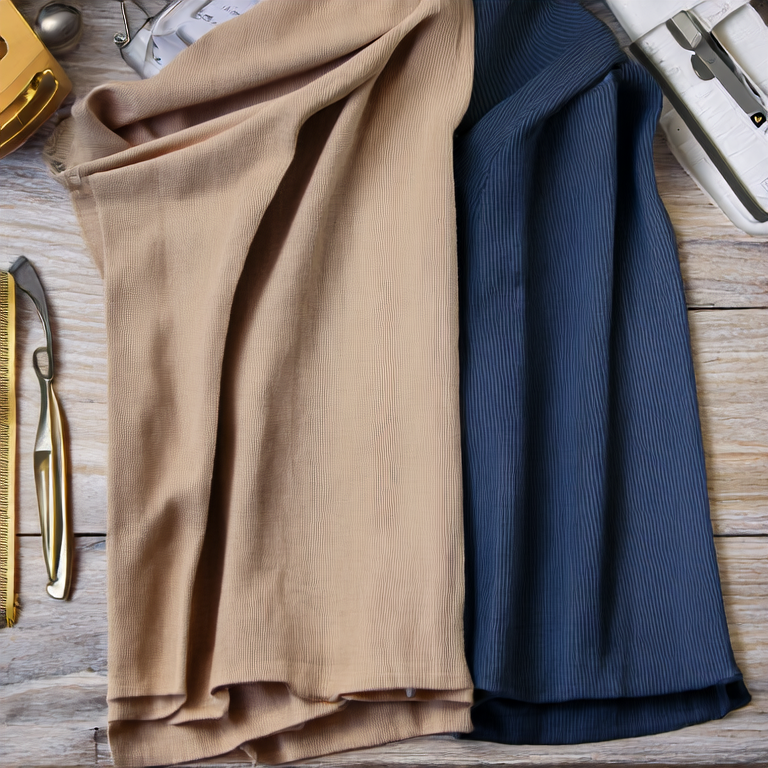
Brands like Runli offer high-quality linen cotton blends that exemplify these benefits, providing consumers with multiple choices tailored to their needs. Check this image for inspiration on how this fabric looks in real-life applications! 
While the advantages are compelling, it is also essential to address the disadvantages associated with linen cotton blends. One notable concern is inferior color retention; some blends may fade more quickly than high-quality 100% cotton fabrics, which are known for their superior colorfastness. A study found that fabrics made from a blend of linen and cotton could experience up to a 22% decrease in color retention after 10 washes compared to their 100% cotton counterparts.
Additionally, consumers report that linen cotton blends can be more expensive, with prices up to 15% higher than traditional cotton fabrics. It is advisable to consider price against the long-term durability and sustainability benefits before making a purchase.
The decision between linen cotton blends and 100% cotton ultimately depends on your individual needs. If you prioritize sustainability and durability, linen cotton blends offer significant advantages. However, if you require long-lasting color and lower cost, 100% cotton remains a reliable choice. It could be beneficial to assess your lifestyle and laundry habits carefully. If you're often dealing with high humidity or require low-iron fabrics, the linen cotton blend may prove invaluable.
Linen cotton blends are highly recommended for eco-conscious consumers, those seeking enhanced durability, and individuals living in humid environments. Conversely, if you are looking for classic styles with better color retention and are budget-conscious, 100% cotton could be the suitable option. Always consider your own preferences and requirements to make the best decision.
A linen cotton blend is a fabric that combines linen and cotton fibers. This blend is known for its breathability, durability, and versatility.
To care for linen cotton blends, machine wash in cold water and tumble dry on low heat. Iron on a low setting to remove wrinkles, taking care not to use high heat.
Linen cotton blends can be up to 15% more expensive than 100% cotton due to the more complex manufacturing process and the cost of linen fibers.
Latest News
Jul. 16, 2026
Cotton Twill Fabric: Versatile Material for Men’s and Women’s Wear
Jul. 15, 2026
Dyeing Cotton Fabric: Achieving Vibrant Colors at Home
We can Provide Customized Services
The core members of the R&D team consist of 5 members, providing customized services, continuously optimizing the production process, enhancing fabric performance, and promoting product upgrades.
Navigation
Navigation
Contacts
Tel.: +86 181 5753 1007
E-mail: info@runliglobal.com
Add.: Room 4068, Building 4, International Trade Center (Middle District), Keqiao, Shaoxing, Zhejiang,China