Jul. 14, 2026
In today's textile market, cotton fabric is becoming increasingly significant, especially for suppliers seeking quality and durability in their offerings. The demand for cotton fabric is driven by various factors, including sustainability, comfort, and versatility. In particular, the need for high-quality cotton fabric in clothing applications such as shirts and skirts has surged due to rising consumer awareness of textile properties. Understanding the value of cotton fabric can help fabric suppliers differentiate themselves in a competitive industry.
According to a recent report from the Cotton Incorporated Lifestyle Monitor, 70% of consumers prefer cotton clothing, indicating a strong inclination towards this natural fiber. This growing preference highlights the fabric’s ability to enhance overall comfort and breathability, thus making it a preferred choice among various garment types.
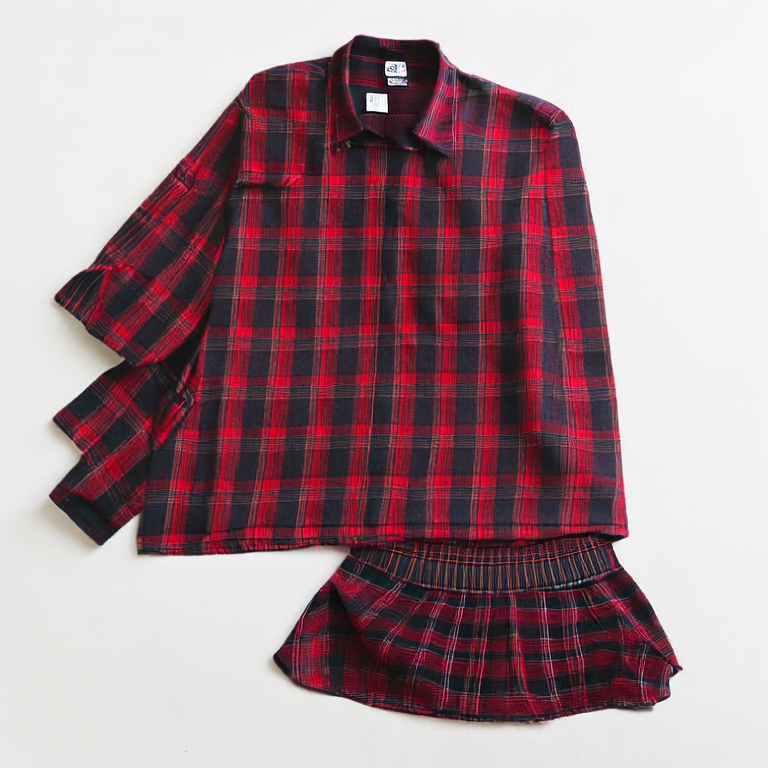
Image of Plaid Cotton Fabric: Timeless Patterns for Shirts and Skirts
Cotton fabric is made from the fibers of the cotton plant, often classified into several categories including woven, knitted, and non-woven variants. The primary industry term you should know is “thread count,” which refers to the number of threads woven into one square inch of fabric. Higher thread counts typically indicate a denser fabric offering enhanced durability and a softer feel. For example, a fabric with a thread count of 600 may exhibit greater durability compared to a lower thread count fabric.
Cotton fabric is remarkably versatile and is used across various sectors, including:
By recognizing cotton's broad applications, fabric suppliers can better position themselves to serve diverse market needs.
Cotton's significance lies in multiple advantages that cater to both consumer preferences and industry requirements:
These advantages emphasize why sourcing cotton fabric from a reputable fabric supplier wholesale can lead to long-term benefits for both suppliers and consumers alike.
For fabric suppliers seeking to optimize their offerings, the first step is exploring user guides available from reputable brands like Runli. These guides offer insights into cotton fabric properties, application techniques, and maintenance recommendations, enabling suppliers to make informed decisions for their inventory.
1. Why is cotton fabric preferred over synthetic fabrics?
Cotton is preferred mainly for its comfort, breathability, and hypoallergenic properties, especially among consumers with sensitive skin.
2. What is the process of fabric sourcing?
Sourcing involves identifying reliable suppliers, assessing fabric quality, and ensuring the materials meet industry standards for safety and durability.
3. Can cotton fabric be customized?
Yes, cotton fabric can be printed or dyed to meet specific design requests, thus offering versatility in fashion and textile applications.
4. What are the best practices for caring for cotton fabrics?
The best practices include washing in cold water, avoiding bleach, and air drying to maintain the fabric's quality over time.
By understanding cotton fabric’s properties, applications, and advantages, fabric suppliers can effectively fulfill market demands and enhance their product offerings. Start exploring the diverse possibilities of cotton fabric today!
Latest News
Jul. 16, 2026
Cotton Twill Fabric: Versatile Material for Men’s and Women’s Wear
Jul. 15, 2026
Dyeing Cotton Fabric: Achieving Vibrant Colors at Home
We can Provide Customized Services
The core members of the R&D team consist of 5 members, providing customized services, continuously optimizing the production process, enhancing fabric performance, and promoting product upgrades.
Navigation
Navigation
Contacts
Tel.: +86 181 5753 1007
E-mail: info@runliglobal.com
Add.: Room 4068, Building 4, International Trade Center (Middle District), Keqiao, Shaoxing, Zhejiang,China