Nov. 19, 2026
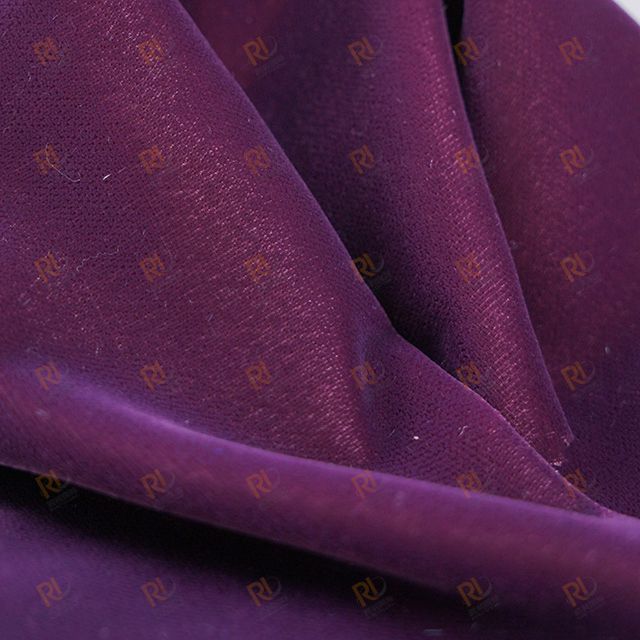
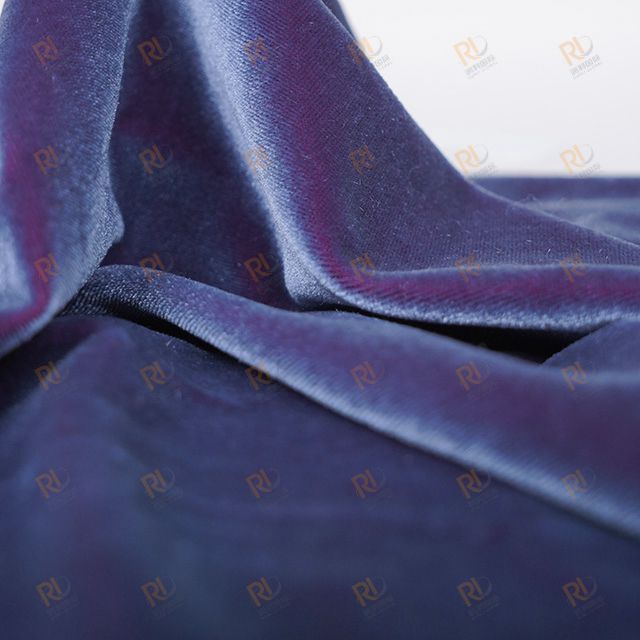
Ponte is generally a dense, stable double knit designed for tailored comfort, while scuba is usually smoother, springier, and more sculptural. For fitted trousers, uniforms, and business-casual dresses, I usually begin with ponte; for sharp volume, clean edges, and statement silhouettes, I consider scuba. The final result still depends on GSM, fiber blend, thickness, stretch direction, finish, and fabric recovery.
!
When I compare ponte fabric vs scuba fabric, I evaluate the material in layers rather than relying on the trade name. The first layer is construction: ponte is commonly a rayon-, nylon-, polyester-, and elastane-based double knit, while fashion scuba is often a smooth synthetic double knit with a springy hand. The second layer is measurable performance, including GSM, thickness, stretch percentage, recovery, opacity, pilling resistance, and dimensional stability after washing. The third layer is garment purpose, because the best material for a fitted trouser may be unsuitable for a sculptural jacket.
I also check how the supplier defines the term. “Scuba,” “scuba crepe,” “neoprene-like,” and “double knit” can describe different surfaces and fiber blends. A buyer should request a cut sample, technical sheet, and test results before approving a wholesale knit fabric for production.
Ponte is a compact double-knit fabric with two connected faces and a relatively stable structure. It often contains rayon or viscose for softness, polyester or nylon for durability, and elastane for stretch. Its surface may look smooth or subtly textured, and its body supports fitted garments without producing the pronounced spring of some scuba fabrics.
Scuba is also commonly sold as a double-knit fashion fabric, but its surface is usually smoother and its cross-section may feel thicker, spongier, or more elastic. Many fashion scuba qualities are made from polyester with elastane, although blends vary widely. Scuba is not the same as true neoprene, which is a synthetic rubber material used in technical and wetsuit applications; fashion scuba is normally a textile knit with a neoprene-like hand.
| Property | Ponte | Fashion scuba | Practical effect |
|---|---|---|---|
| Typical commercial weight | Approximately 250–450 GSM | Approximately 280–600 GSM | Heavier fabrics create more body and warmth |
| Common thickness | Approximately 0.8–1.5 mm | Approximately 1.0–2.5 mm | Thickness affects seam bulk and silhouette |
| Stretch direction | Usually two-way or four-way | Often two-way or four-way | Direction changes fit and pattern placement |
| Recovery | Moderate to high | Moderate to very high | Recovery affects sagging and shape retention |
| Hand feel | Soft, compact, smooth, sometimes brushed | Smooth, springy, spongy, or slightly crisp | Determines comfort and visual structure |
| Drape | Controlled and fluid | More suspended and sculptural | Influences gathers, folds, and volume |
| Breathability | Often higher in rayon-rich qualities | Often lower in dense synthetic qualities | Important for climate and wear duration |
These figures are practical screening ranges, not universal definitions. A 300 GSM ponte can feel firmer than a 400 GSM ponte if its elastane content, yarn density, and finishing are different. I therefore treat the label as a starting point and the technical sample as the acceptance reference.
Ponte’s double-knit construction gives the fabric stability across the width and length. The connected knit faces help reduce curling at the cut edge, which can make sewing easier for beginners. Rayon-rich ponte often feels smoother against the skin, while nylon-rich or polyester-rich versions can provide greater abrasion resistance and faster drying.
Scuba’s construction creates a more compact, resilient textile with a noticeable spring. Some versions have two smooth faces, while scuba crepe has a textured or pebbled surface on one side. A dense scuba can hold a curved hem, pleat, flare, or architectural fold, but the same body may create thick seams and less comfortable pressure at collars, waistbands, and armholes.
Interlock should not automatically be treated as ponte. Interlock is a general double-knit construction that may be lighter, softer, or less structured depending on fiber content and GSM. Similarly, scuba crepe is a surface and construction category rather than a guarantee of one fixed weight or stretch level.
For a ponte fabric thickness and stretch comparison, I start with GSM and thickness, then test extension and recovery. A useful in-house test is to mark a 100 mm section, extend it with a consistent load, record the stretched length, and measure the length again after one minute and after thirty minutes. If the material extends to 135 mm, it has 35% extension under that test condition; if it returns to 103 mm after thirty minutes, its residual growth is 3%.
I do not compare stretch percentages unless the force is also recorded. One fabric may reach 50% extension only because it is pulled aggressively, while another reaches 35% extension under a lighter force and feels easier to wear. For fitted clothing, I prefer recovery with no more than 5% residual growth after a controlled extension test, unless the design intentionally allows relaxed drape.
Scuba often feels thicker because its compact knit and elastane content create a springy cross-section. Ponte may be equally heavy by GSM but thinner in hand if it uses denser yarns or a smoother finish. When a supplier claims “four-way stretch,” I confirm whether the lengthwise direction stretches as much as the crosswise direction, because many fabrics have unequal extension.
The main scuba fabric feel and drape difference is mechanical rather than purely tactile. Ponte usually bends closer to the body and follows movement with controlled softness, making it suitable for garments worn for six to ten hours. Scuba tends to resist collapse, creating rounded edges, clean flares, and a more deliberate silhouette.
Ponte is often the safer choice for warm-weather business clothing when the fabric is lighter than approximately 300 GSM and contains a meaningful rayon or viscose proportion. It is not automatically cool or breathable, because a dense synthetic ponte can still trap heat. Scuba generally has lower air permeability when it is thick and polyester-rich, so I use it cautiously for uniforms or garments intended for hot environments.
Touch testing should include both sides of the fabric, the cut edge, and a folded seam. A fabric can feel smooth on the face but bulky or abrasive after stitching. For direct skin contact, I also check surface fuzz, dye transfer, seam pressure, and whether the fabric becomes warmer after ten minutes of wear.
I use four checks to separate ponte, fashion scuba, interlock, scuba crepe, and true neoprene before approving a purchase. First, I inspect the cut edge: knitted fabrics show loops and may curl slightly, while true neoprene usually shows a rubber-like foam core between textile faces. Second, I examine the surface under magnification to identify smooth loops, compact double-knit faces, or a crepe texture.
Third, I test stretch direction and recovery with a marked 100 mm section. Fourth, I expose a small swatch to controlled steam rather than direct high heat, then record bubbling, gloss change, shrinkage, or edge distortion. I never use a flame or uncontrolled iron test on an unknown textile because fiber reactions and finishing chemicals can create safety risks.
A practical identification table is useful during sourcing:
| Material | Cut-edge clue | Surface clue | Typical behavior | Common use |
|---|---|---|---|---|
| Ponte | Compact knitted edge | Smooth or lightly textured | Stable, soft, controlled stretch | Trousers, dresses, uniforms |
| Fashion scuba | Dense knitted edge | Smooth, sleek, springy | Strong body and recovery | Sculptural dresses, skirts |
| Scuba crepe | Knitted edge | Pebbled or crepe face | Structured with textured appearance | Occasionwear and jackets |
| Interlock | Soft double-knit edge | Often matte and flexible | Lighter, softer, less architectural | Tops, casual garments |
| True neoprene | Foam-like core | Rubber-textile laminate | Thick, buoyant, highly stable | Technical and specialty products |
For fitted dresses, I choose ponte when the design needs close fit, comfort, and moderate drape. Scuba is preferable when the dress depends on a defined flare, bell shape, raised seam, or smooth sculptural surface. A lightweight ponte can suit warm-weather workwear, while a heavier scuba may be more appropriate for a short occasion dress worn for a limited period.
For trousers, ponte is usually more practical because it bends at the knee and sits comfortably at the waist. A 280–380 GSM ponte with good recovery can support slim trousers, leggings, pull-on pants, and structured travel clothing. Scuba can work for wide-leg trousers or fashion trousers, but its thickness may make waistbands, pockets, and hems visibly bulky.
For skirts, the decision depends on geometry. Ponte suits pencil skirts, A-line skirts, and wrap-style designs that need movement without excessive volume. Scuba is useful for circle skirts, trumpet shapes, peplums, and designs where the hem must remain pronounced.
Jackets and uniforms require a closer review of weight, breathability, and wear duration. Ponte may perform better for uniforms worn throughout a shift because its softer hand and lower visual stiffness can reduce discomfort. Scuba can create a clean collar, sharp sleeve, or architectural front panel, but I would test seam comfort and heat retention before selecting it for daily use.
Before production, I recommend testing at least three swatches from different rolls. Each swatch should be labeled with roll number, direction, GSM, thickness, color, and finishing details. The following criteria create a practical approval sheet:
I also sew a small sample containing a side seam, waistband, hem, zipper, and crossing seam. This exposes problems that a loose swatch cannot show, including skipped stitches, tunneling, seam grin, edge rolling, and excessive thickness at intersections.
Supplier terminology can change from one market to another, so I avoid approving only the word “ponte” or “scuba.” A stronger specification states the fiber blend, GSM, thickness, usable width, stretch percentage by direction, recovery limit, pilling requirement, opacity requirement, finish, color tolerance, and care method.
For example, a specification might request: “Rayon/nylon/elastane double knit, 320 ±16 GSM, 1.1 ±0.1 mm thickness, minimum 35% crosswise extension at 10 N, minimum 20% lengthwise extension, residual growth not exceeding 5% after thirty minutes, minimum pilling grade 4, opaque in black at production thickness, and no visible bubbling after controlled steam.” This wording gives the supplier measurable boundaries and reduces the chance of an unapproved substitute.
Runli presents itself as a textile supplier with fabric, yarn, dyeing, printing, warehousing, and customization capabilities. Its published company information describes more than 3,000 textile equipment units, annual fabric capacity above 100 million meters, a five-member core research and development team, and support for small-batch trials as well as larger production. When I evaluate a supplier for ponte, scuba, or another wholesale knit fabric, I still request the exact construction sheet and test reports for the selected quality rather than relying on general company capacity.
| Your priority | Recommended direction | Reason |
|---|---|---|
| Soft fitted trousers for daily wear | Rayon-rich ponte | Controlled stretch, softer hand, easier movement |
| Business-casual uniform for long shifts | Lightweight ponte | Lower stiffness and potentially better comfort |
| Sculptural party dress | Medium or heavy fashion scuba | Stronger body and sharper silhouette |
| Warm-weather structured dress | Lightweight ponte or interlock | Lower thickness and potentially better air movement |
| Circle skirt or dramatic peplum | Scuba or scuba crepe | Better resistance to collapse |
| Beginner sewing project | Stable ponte | Usually easier edge control and less spring |
| Clean technical-looking panels | Fashion scuba | Smooth face and strong shape retention |
| Garment requiring soft drape | Ponte or lighter interlock | Less architectural behavior than dense scuba |
Ponte vs scuba fabric is not a contest with one universal winner; each material solves a different design problem. I select ponte when the garment must combine stretch, comfort, controlled structure, and extended wear, especially for trousers, uniforms, fitted dresses, and business-casual skirts. I select scuba when the design depends on body, spring, smooth surfaces, and shape retention, particularly for sculptural dresses, statement skirts, and structured jackets.
Before buying, I compare GSM, thickness, stretch force, recovery, pilling, opacity, heat response, and wash stability. I also inspect the cut edge and surface so that fashion scuba is not confused with scuba crepe, interlock, or true neoprene. The most reliable next step is to request a labeled swatch, write a measurable specification, sew a small garment panel, and approve the bulk fabric only after it meets the agreed tolerances.
Latest News
Nov. 20, 2026
What Makes Piqué Knit Fabric Suitable for Polo Shirts?
Nov. 18, 2026
Why Does Knit Fabric Lose Its Shape? Understanding Stretch Growth and Recovery
We can Provide Customized Services
The core members of the R&D team consist of 5 members, providing customized services, continuously optimizing the production process, enhancing fabric performance, and promoting product upgrades.
Navigation
Navigation
Contacts
Tel.: +86 181 5753 1007
E-mail: info@runliglobal.com
Add.: Room 4068, Building 4, International Trade Center (Middle District), Keqiao, Shaoxing, Zhejiang,China