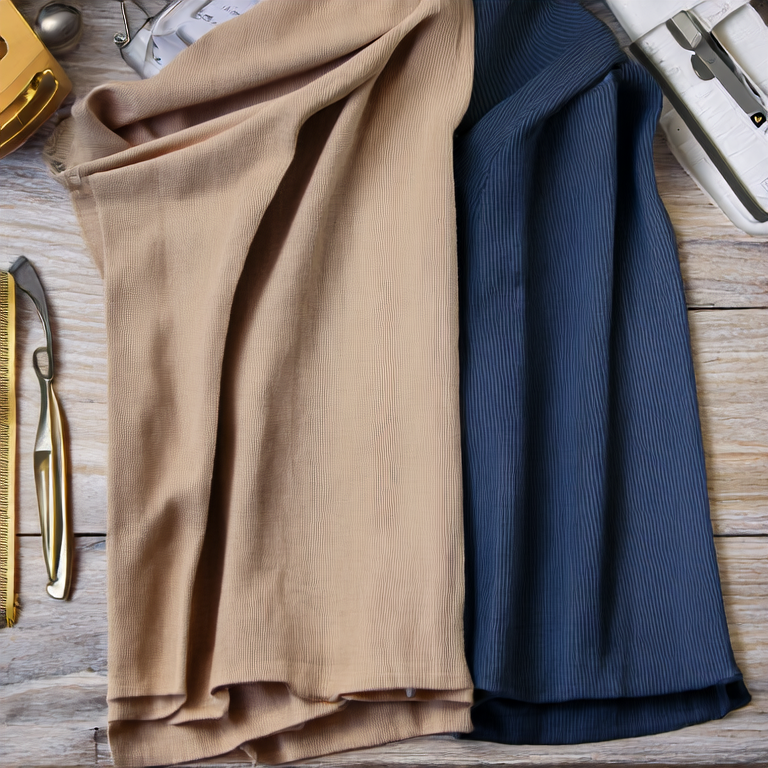
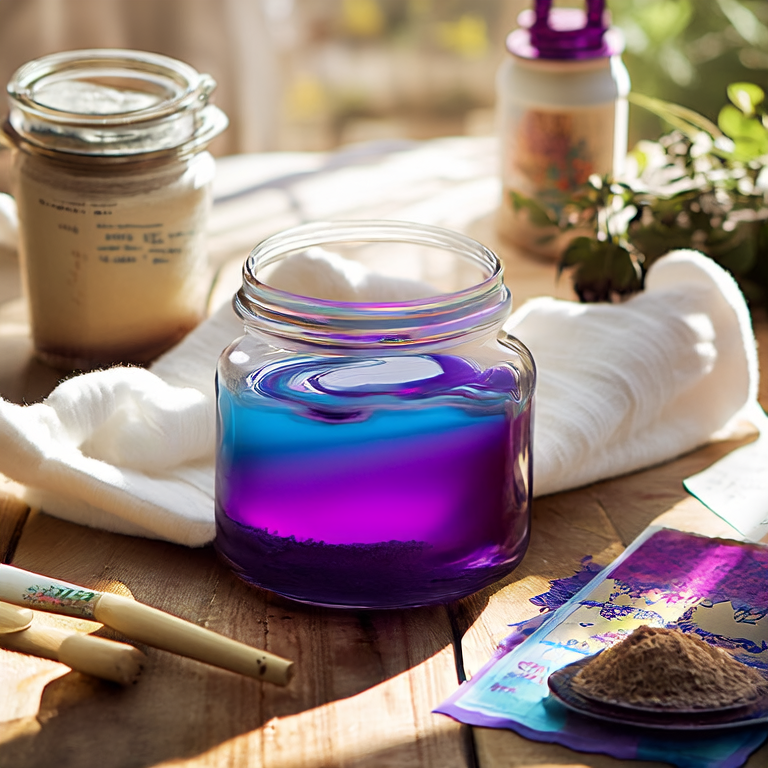
Dyeing cotton fabric at home can be both an enjoyable and fulfilling project, but it often comes with challenges. Many home crafters struggle with finding the right materials, ensuring vibrant color retention, or even simply achieving the desired shade. For instance, Jane, a small business owner who sells handmade tote bags, ran into issues when she tried dyeing cotton fabrics, leading to faded colors and uneven applications. With the right techniques and tools, such experiences can be greatly improved. In this article, we’ll explore the entire process, from preparation to execution, ensuring you achieve beautiful, long-lasting results with your dyeing endeavors.
Required Preparation for Dyeing Cotton Fabric
Before diving into the dyeing process, there are several essential materials and tools you'll need to prepare.
Materials Needed
- Cotton fabric (preferably natural, unbleached)
- Dye - natural or synthetic (such as fiber reactive dye for best results)
- Salt (for setting dye)
- Water
- Vinegar (optional, for natural dyes)
- Protective gloves
- Plastic or stainless-steel container for mixing
- Stirring utensil (non-reactive)
Tools Required
- Pots for boiling
- Measuring cups and spoons
- Drop cloths to protect work surfaces
- Plastic wrap or plastic bags for preserving dye
- Ruler or measuring tape (for precise fabric cutting)
Step-by-Step Guidance for Dyeing Cotton Fabric
- Pre-wash the Cotton Fabric: Begin by washing your fabric with a mild detergent to remove any finishes, which can affect dye absorption. This step is crucial to ensure that your fabric will accept dye properly.
- Prepare the Dye Bath: If using a synthetic dye, dissolve the dye in hot water according to the package instructions. For natural dyes, boil the dye materials (like beetroot for red or turmeric for yellow) in water for about 30-45 minutes to extract the color.
- Add Salt or Vinegar: For fiber reactive dyes, add 1 cup of salt per gallon of dye bath. For natural dyes, adding 1 cup of vinegar can help set the color.
- Dye the Fabric: Immerse your pre-washed cotton fabric in the dye bath. Make sure the fabric is fully submerged and stir continuously for even application. The typical dyeing time is 30 minutes to several hours, depending on the desired intensity of the color.
- Rinse the Fabric: After reaching the desired color, carefully remove the fabric from the dye bath and rinse it in cold water. This step will help to remove excess dye and ensure the color is locked in.
- Set the Dye: To further ensure the dyes set well, you can place the rinsed fabric in a bowl of lukewarm water mixed with 1 cup of vinegar for 30 minutes.
- Dry the Fabric: Squeeze out excess water gently without wringing the fabric. Hang it up to dry in a shaded area away from direct sunlight to prevent color fading.

Common Errors and Solutions
Dyeing at home can often lead to mistakes. Here are some common issues and their resolutions:
- Problem: Color is not as vibrant as expected.
Solution: Ensure that you are using enough dye in your dye bath. Check the dye instructions for the correct ratios based on the fabric weight.
- Problem: Uneven dye application.
Solution: Stir the dye bath continuously while the fabric is soaking, and avoid bunching the fabric to achieve even coloration.
- Problem: Faded color after washing.
Solution: Make sure to use a dye fixer, like salt or vinegar, and always wash the fabric in cold water separately after dyeing.
Summary and Suggestions
Dyeing cotton fabric at home can be a rewarding experience with the right knowledge and tools. Start small — perhaps with a single item, like a T-shirt or a tote bag — to perfect your technique. As you refine the process, consider purchasing higher-quality dyes from brands like Runli, known for offering a wide range of vibrant colors that can improve your dyeing results significantly.
FAQ
- What type of dye should I use for cotton fabric? Preferably, use fiber reactive dyes or natural dyes for the best results on cotton.
- Can I dye pre-printed fabrics? Pre-printed fabrics may not yield good results; always check if the prints are dye-resistant.
- How can I ensure colorfastness? Always use salt or vinegar in your dye bath, and avoid washing dyed items with other clothes to maintain color.