Dec. 19, 2025
In the fabric manufacturing industry, understanding the nuances and applications of cotton fabric is crucial for both suppliers and consumers. Cotton fabric, with its remarkable versatility, has garnered attention in various sectors, from fashion to home décor. This article will delve into the significance of cotton fabric, its applications, and why it stands out as a preferred choice for fabric supplier wholesale deals. With a deep dive into the texture, weave effects, and user scenarios, you'll discover just how cotton fabric can meet your specific needs.

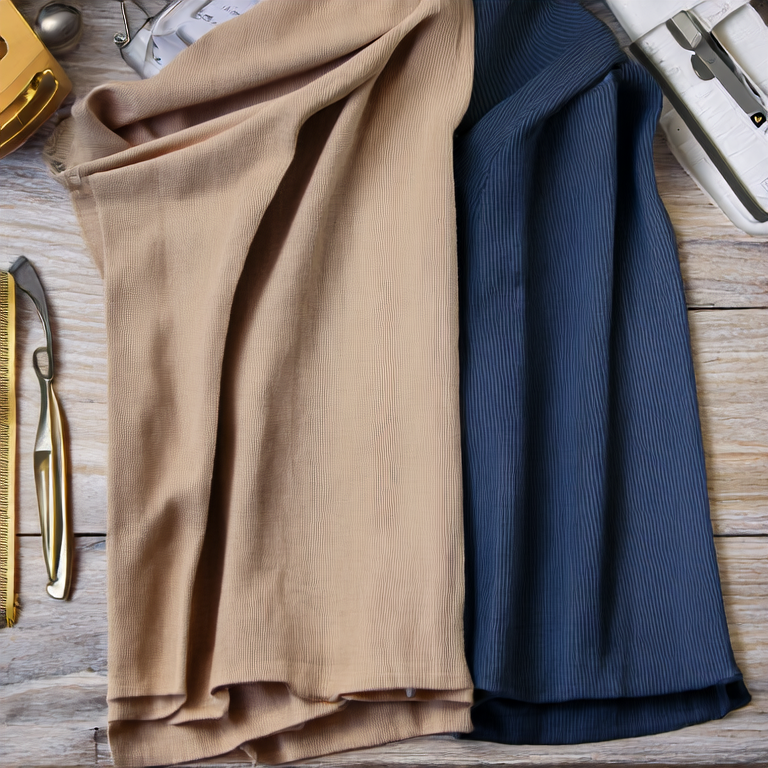
Cotton fabric is a textile made from natural fibers harvested from the cotton plant. The industry often classifies cotton into various categories based on its quality, weave, and treatment, including organic cotton, Pima cotton, and Egyptian cotton. Understanding these distinctions is essential for selecting the appropriate fabric based on its application. The term "weave" refers to how the threads are interlaced, which directly affects the fabric's feel and durability.
Cotton fabric has a broad range of applications across multiple fields:
Fashion and Apparel: Dresses, shirts, and activewear often utilize cotton for its breathability and comfort. The global cotton apparel market was valued at approximately $130 billion in 2020 and is projected to grow by 5% by 2025 (Statista, 2022).
Home Textiles: From bed linens to curtains, cotton’s versatility means it's widely used in residential spaces. In fact, around 55% of all household textiles globally are made from cotton, thanks to its softness and ease of cleaning.
Medical Textiles: Cotton is frequently used in medical supplies due to its hypoallergenic properties. Surgical masks and bandages typically utilize cotton or cotton blends because it allows for breathability while reducing skin irritation.
Cotton fabric possesses numerous advantages that position it as a staple choice in the textile industry:
Breathability: Cotton has natural moisture-wicking properties, making it ideal for hot and humid climates. Studies have shown that cotton fabric can absorb about 27 times its weight in water, providing superior comfort.
Durability: With proper care, cotton fabric can last for years, making it a cost-effective choice. The tensile strength of cotton fibers also allows them to withstand significant wear, resulting in a longer lifespan compared to synthetic fabrics.
Eco-friendliness: As a natural material, cotton is biodegradable and generally considered a more sustainable option compared to synthetic alternatives. According to a report by Textile Exchange, the global production of organic cotton reached approximately 270,000 tons in 2020, reflecting an increasing demand for sustainable fabrics.
To truly understand the advantages of cotton fabric, consider reading user guides specific to your industry needs or even trying out some samples from reputable fabric suppliers like Runli. This hands-on experience will not only grant you a deeper appreciation for cotton fabric's attributes but will also empower you with the knowledge to make informed purchasing decisions.
Q: Is cotton fabric suitable for sensitive skin?
A: Yes, cotton is hypoallergenic and generally safe for sensitive skin, making it a popular choice for those prone to allergies.
Q: How do I care for cotton fabric?
A: Most cotton fabrics can be machine washed with mild detergent. It's advisable to check care labels, as some may require specific handling instructions.
Q: What is the difference between organic cotton and conventional cotton?
A: Organic cotton is grown without the use of synthetic fertilizers and pesticides, making it more environmentally friendly and safer for consumers.
For further understanding, consider exploring more about cotton textiles or requesting a sample from suppliers like Runli to experience the quality firsthand. Cotton fabric is more than just a textile; it's a solution tailored to meet a myriad of needs in various industries.
Latest News
Jul. 16, 2026
Cotton Twill Fabric: Versatile Material for Men’s and Women’s Wear
Jul. 15, 2026
Dyeing Cotton Fabric: Achieving Vibrant Colors at Home
We can Provide Customized Services
The core members of the R&D team consist of 5 members, providing customized services, continuously optimizing the production process, enhancing fabric performance, and promoting product upgrades.
Navigation
Navigation
Contacts
Tel.: +86 181 5753 1007
E-mail: info@runliglobal.com
Add.: Room 4068, Building 4, International Trade Center (Middle District), Keqiao, Shaoxing, Zhejiang,China