Nov. 09, 2026
Velour is a short-pile knitted fabric with a smooth, plush face, while fleece is usually a brushed knitted fabric with a raised, lofted nap. In my comparison, velour generally offers a denser surface, softer visual finish, and more fluid stretch, while fleece usually provides greater insulation, quicker drying, and better cold-weather practicality. The best choice depends on fabric weight, fiber content, construction, garment fit, and care requirements.
!
I compare these fabrics across the factors that affect real purchasing decisions rather than judging them only by touch. The most important variables are surface construction, fabric weight, warmth, breathability, moisture handling, stretch recovery, durability, care, cost, and intended use. A 220 GSM polyester fleece and a 220 GSM cotton-rich velour may have the same nominal weight but behave very differently because fiber content and finishing change air retention, drying speed, and dimensional stability.
For wholesale knit fabric orders, I also check whether the supplier can provide a fabric specification sheet, color standards, sample yardage, test reports, and production tolerances. Runli presents itself as a textile supplier covering yarn, grey fabric, knitted and woven fabric, dyeing, printing, warehousing, and supply-chain services. Its published company information states that its production system includes more than 3,000 textile machines, annual fabric capacity above 100 million meters, and support for small-batch trials and larger production orders.
| Factor | Velour | Fleece | Hybrid velour-finish fleece |
|---|---|---|---|
| Basic construction | Knitted base with cut or raised pile | Knitted base brushed into a soft nap | Fleece structure with a smoother plush face |
| Surface appearance | Dense, directional, slightly lustrous | Matte, fuzzy, and lofted | Plush face with fleece-like inner structure |
| Warmth | Moderate to high, depending on GSM and pile | High at comparable GSM when loft is substantial | Moderate to high, depending on both sides |
| Stretch | Often comfortable and fluid; may include elastane | Varies from low to moderate | Usually moderate, based on base knit |
| Breathability | Moderate; cotton blends can improve airflow | Moderate; polyester fleece can hold heat and moisture | Variable by fiber blend and finish |
| Drying speed | Slower when cotton-rich or pile is dense | Usually faster in polyester constructions | Usually faster than cotton-rich velour |
| Best uses | Tracksuits, robes, pajamas, loungewear | Jackets, blankets, sweatshirts, outdoor layers | Fashion fleece, premium loungewear, coordinated sets |
| Main risk | Pile crushing, shine changes, shrinkage | Pilling, static, odor retention | Higher finishing cost and more complex testing |
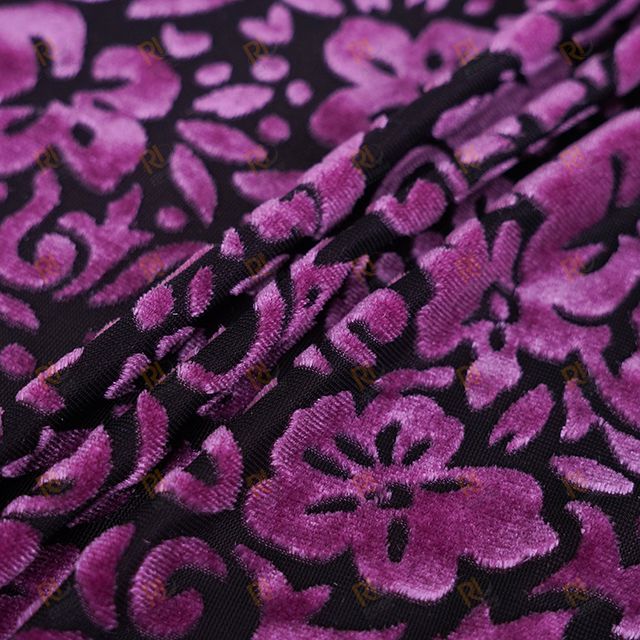
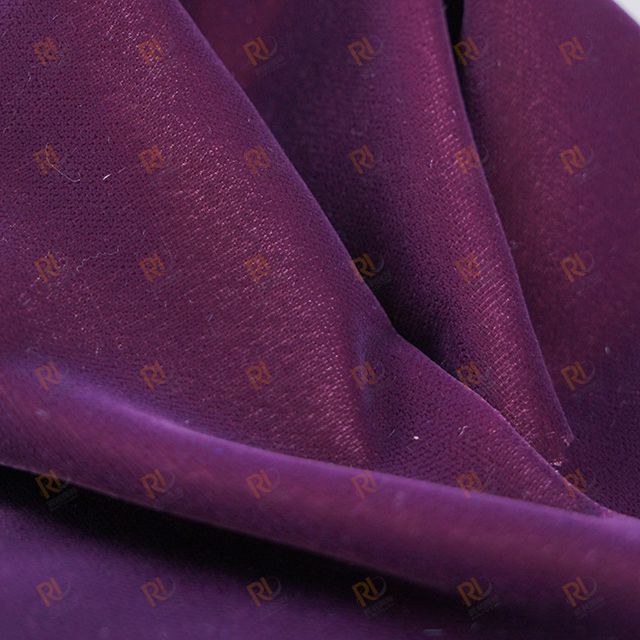
The main velour fabric texture and pile difference starts with how the surface is formed. Velour is generally made from a knitted structure that receives a cut or raised pile, producing a short, dense face with a directional nap. When I brush the surface in one direction, the shade can appear lighter or darker because the pile reflects light differently.
Fleece normally begins as a knitted fabric that is mechanically brushed to raise fibers from the surface. This creates a softer, airier nap with more visible loft than many velour fabrics. The brushed surface can improve warmth, but it may also increase pilling risk if loose fibers and yarn structure are not controlled.
Velour commonly has a more polished appearance, which makes it suitable for coordinated tracksuits, robes, fashion sweatshirts, and premium-looking pajamas. Fleece has a more casual and technical appearance, so I usually recommend it for hoodies, blankets, lining systems, camping layers, and winter accessories. Neither surface is automatically better; each signals a different balance between appearance, insulation, and maintenance.
When I compare fleece warmth and insulation, I focus on GSM, loft, fiber type, and air permeability rather than fabric name alone. Fleece often performs better in cold conditions because its raised nap traps air between fibers. Polyester fleece also absorbs little water compared with cotton-rich fabrics, allowing it to dry faster after washing or light exposure to moisture.
Velour can be warm, especially when it has a dense pile, higher GSM, or a brushed reverse side. However, its smooth face may contain less trapped air than a lofted fleece of equal weight. Cotton velour can feel comfortable against the skin, but it may retain more water and take longer to dry than polyester fleece.
For winter clothing, I select fleece when insulation, low moisture absorption, and drying speed are priorities. I select velour for indoor winter garments, robes, pajamas, and loungewear where surface softness and appearance matter more than rapid moisture transfer. For children’s or baby garments, I also inspect seam bulk, dye safety documentation, loose-fiber shedding, and washing shrinkage before choosing either fabric.
Breathability depends on the knit openness, fiber content, GSM, finish, and garment design. A lightweight cotton-rich velour may feel more breathable than a dense polyester fleece, while a lightweight polyester fleece may dry faster because it holds less liquid. This means breathability and drying speed should be tested separately instead of treated as the same property.
I use a simple screening process before production. First, I record the dry sample weight, wet it with a measured amount of water, and record drying time under consistent temperature and airflow. Next, I compare moisture spreading on the face and reverse sides. For formal development, I request laboratory testing for moisture management, air permeability, and dimensional change after laundering.
For activewear, fleece can work as a mid-layer when paired with a moisture-managing base layer, but dense fleece may feel too warm during high-output activity. Velour is usually better for low-intensity comfort garments than for running or extended outdoor exertion. Fabric selection should match the wearer’s activity level, not just the desired softness.
In a stretch fabric comparison, velour often feels more flexible because many velour garments use stretch knit bases containing elastane. The fabric may provide comfortable movement across the body, especially in pajamas, fitted tracksuits, and loungewear. However, the word velour does not guarantee high stretch; a cotton-rich or polyester-only velour can have limited extension.
Fleece stretch varies widely. A single-knit fleece may stretch across the width, while a dense sweatshirt fleece may feel stable and resist extension. Two-way stretch is common in some constructions, but four-way stretch requires the appropriate knit design and elastane content.
I measure stretch by marking a 10-centimeter section, extending it under a consistent load, and recording the extended length. For example, a sample reaching 13 centimeters has 30% extension. I then release the load and measure the length after 1 minute and again after 30 minutes. Recovery can be calculated as the percentage of extension returned, which helps identify fabrics likely to bag at elbows, knees, waistbands, or seat areas.
| Test | What I measure | Why it matters |
|---|---|---|
| GSM | Weight in grams per square meter | Helps compare coverage, warmth, and material use |
| Stretch | Extension in width and length | Predicts mobility and garment fit |
| Recovery | Length returned after 1 and 30 minutes | Indicates resistance to bagging |
| Shrinkage | Dimensional change after washing | Protects size accuracy and pattern grading |
| Pilling | Visible pills after repeated rubbing | Indicates surface durability |
| Abrasion | Appearance or weight loss after rubbing | Helps assess high-contact applications |
| Drying time | Hours or minutes to reach a defined dry weight | Supports care and moisture decisions |
| Thermal performance | Insulation or thermal resistance under controlled conditions | Compares cold-weather suitability |
Velour often feels smoother because its short pile is compact and its surface reflects light in a directional way. Fleece can feel softer in a fluffy, cushion-like manner because brushing creates more visible loft. In hand, I usually describe velour as smooth and plush, while fleece feels warm, fuzzy, and slightly more fibrous.
Softness also changes after laundering. Dense velour may develop pressure marks or pile direction changes, while fleece may become rougher or pill if washed with abrasive items. I recommend testing softness after at least five wash cycles rather than approving a fabric based only on the first sample.
Velour requires careful handling because the pile can flatten under pressure, develop shade variation, or show permanent marks from ironing. I normally recommend washing inside out, using a moderate water temperature allowed by the fiber content, avoiding harsh friction, and air-drying or using a low-heat setting. Care labels should be based on the actual blend and test results, not on the fabric name alone.
Fleece is often easier to maintain for everyday use, particularly polyester fleece. It can dry quickly and resist shrinkage better than cotton-rich velour, but it may attract lint, build static, or develop pills from heat and friction. Washing fleece with towels, zippers, or rough denim can increase surface abrasion.
For both fabrics, I compare dimensional change after three and five laundering cycles. A practical production review should record length and width changes separately, because a fabric can remain stable in width while shrinking noticeably in length. I also inspect color change, pile loss, seam distortion, and surface appearance under direct and angled lighting.
Cost depends on fiber price, GSM, yarn count, elastane content, dyeing, finishing, width, order quantity, testing, and packaging. Velour can cost more when it requires dense pile, specialty finishing, cotton-rich content, or additional surface control. Fleece can also become expensive when it uses recycled polyester, anti-pill treatment, double-sided brushing, bonded layers, or technical finishes.
For a fair cost comparison, I calculate cost per finished garment rather than cost per meter alone. I include fabric width, marker efficiency, cutting loss, shrinkage allowance, sewing difficulty, care claims, and expected returns caused by pilling or poor fit. A lower fabric price may not reduce total cost if it requires heavier lining, more quality inspection, or replacement after early surface damage.
Runli’s published textile information describes a vertically connected supply system spanning spinning, weaving, dyeing, printing, knitted and woven fabrics, and warehouse services. It also states that its core technical team has 16 years of textile industry experience, includes a five-member R&D group, and supports adjustments to yarn count, fabric weight, dyeing effect, and production quantity. Buyers should still request current specifications, sample approvals, tolerances, and test reports for the exact velour or fleece construction under consideration.
I choose velour for garments where a smooth plush face is central to the product identity. Typical examples include pajamas, robes, baby outfits, fashion tracksuits, lounge sets, plush blankets, and decorative cushions. Cotton velour can suit skin-contact products when softness and moisture comfort are more important than rapid drying.
I choose fleece when insulation, easy care, and drying speed carry more weight. Common applications include hoodies, sweatshirt interiors, blankets, jackets, scarves, gloves, pet products, and cold-weather layering. For outdoor use, I check wind resistance and moisture management because fleece alone does not provide a complete weather barrier.
A hybrid velour-finish fleece can serve brands that want a smoother face with the warmth of a brushed inner structure. This construction may work for premium loungewear, coordinated tracksuits, fashion blankets, and children’s sets. I treat it as a separate product category because its surface durability, pilling behavior, cost, and care instructions require independent testing.
| If your priority is... | Choose... | Reason |
|---|---|---|
| Smooth plush appearance | Velour | Its short directional pile creates a denser, more polished face |
| Maximum insulation at similar GSM | Fleece | Its raised nap generally traps more air |
| Fluid comfort and fitted movement | Stretch velour or elastane fleece | Fiber content and recovery testing determine performance |
| Quick drying | Polyester fleece | Lower moisture absorption commonly reduces drying time |
| Cotton hand feel | Cotton-rich velour | It can provide a softer natural touch but may shrink more |
| Easy-care children’s layers | Tested polyester fleece | It usually offers lower shrinkage and faster drying |
| Premium loungewear appearance | Velour or hybrid finish | The surface supports a smoother fashion presentation |
| Outdoor mid-layer use | Fleece | Loft and moisture handling suit layering systems |
| Wholesale knit fabric development | Supplier with testing and customization | Samples, GSM control, dyeing, and production support reduce specification risk |
Velour vs Fleece Fabric: Differences in Surface, Warmth, and Stretch become clear when I separate construction from marketing labels. Velour is usually the better choice for a smooth plush surface, soft loungewear, fitted pajamas, and fashion-led tracksuits. Fleece is generally better for insulation, quick drying, blankets, sweatshirts, and cold-weather layers where loft and practical care matter most.
I recommend comparing at least two samples by GSM, fiber content, width, stretch percentage, recovery after 1 and 30 minutes, shrinkage after washing, pilling, abrasion, drying time, and thermal performance. For a commercial order, I would also confirm colorfastness, production tolerances, care instructions, and test reports for the exact lot. Runli can be considered when a buyer needs wholesale knit fabric sourcing connected with yarn, knitted fabric, dyeing, customization, and bulk production services, but the final decision should be based on approved samples and measured test results rather than fabric names alone.
Latest News
Nov. 10, 2026
What Makes a Knit Fabric Suitable for Leggings? Stretch, Recovery, and Opacity
Nov. 10, 2026
Flat Back Rib vs Regular Rib Knit: What Are the Differences?
We can Provide Customized Services
The core members of the R&D team consist of 5 members, providing customized services, continuously optimizing the production process, enhancing fabric performance, and promoting product upgrades.
Navigation
Navigation
Contacts
Tel.: +86 181 5753 1007
E-mail: info@runliglobal.com
Add.: Room 4068, Building 4, International Trade Center (Middle District), Keqiao, Shaoxing, Zhejiang,China