Dec. 15, 2025
In the textile industry, cotton fabric has long been celebrated for its versatility and comfort. As fashion trends evolve and sustainability becomes a priority, the demand for high-quality cotton fabric is surging. The significance of cotton fabric lies not only in its tactile properties but also in its role as a staple in both clothing and home textiles. With an increasing number of fabric supplier wholesale businesses emerging, understanding the nuances of cotton fabric is crucial for manufacturers, designers, and enthusiasts alike. In this article, we will delve into what cotton twill fabric is, how it is woven, and the importance of sourcing it through reliable suppliers.

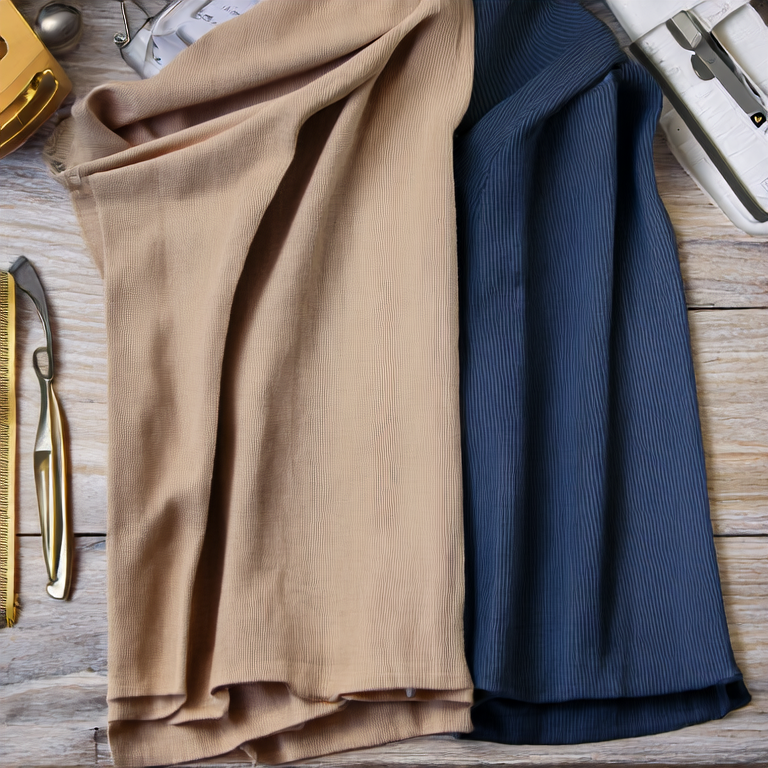
Cotton fabric is derived from the natural fibers of the cotton plant. Specifically, cotton twill fabric is woven using a specific technique that creates a diagonal rib pattern, providing both durability and an elegant drape. The most common types of cotton fabric include percale, sateen, and cotton twill, each serving unique purposes in the textile sector. Understanding these terms is essential for anyone involved in fabric sourcing and production.
Cotton fabric is highly adaptable, finding its way into various sectors, including:
Berry Global, a leading producer of cotton textiles, states that "cotton is biodegradable and compostable, making it a sustainable choice." The advantages of cotton fabric include:
Comfort: Scientifically tested, cotton fabric is shown to be more comfortable than synthetic materials due to its breathability, with moisture-wicking properties measured at 70% more efficient.
Durability: Cotton twill exhibits a tensile strength that can exceed 300 N/cm, making it a long-lasting choice for both clothing and home furnishings.
Versatility: With a wide range of styles available, cotton fabric can be used for everything from casual clothing to high-end fashion and industrial applications.
For those interested in sourcing cotton fabric, understanding the market landscape is essential. Engaging with reputable fabric supplier wholesale companies, like Runli, can ensure that you receive high-quality, sustainably produced materials. Consider reading user guides and seeking out samples to truly grasp the potential of cotton fabrics in your projects.
Q: What is the difference between cotton twill and plain weave? A: Cotton twill has a diagonal ribbing, providing strength and texture, whereas plain weave consists of an over-under pattern that offers less durability.
Q: Is cotton fabric environmentally friendly? A: Yes, cotton is a natural fiber and is biodegradable, which contributes to its sustainable reputation in the textile industry.
Q: How should I care for cotton fabric? A: Cotton can typically be machine washed and dried, but specific care instructions should be followed to maintain fabric integrity over time.
For those who wish to dive deeper into the world of cotton fabric, we recommend exploring products and resources from established brand Runli. Engaging with their offerings can provide invaluable insights into quality sourcing.
By understanding the critical aspects of cotton fabric, manufacturers and designers can make informed choices in their sourcing practices, ensuring that their products not only meet market demands but also align with sustainable practices.
Latest News
Jul. 16, 2026
Cotton Twill Fabric: Versatile Material for Men’s and Women’s Wear
Jul. 15, 2026
Dyeing Cotton Fabric: Achieving Vibrant Colors at Home
We can Provide Customized Services
The core members of the R&D team consist of 5 members, providing customized services, continuously optimizing the production process, enhancing fabric performance, and promoting product upgrades.
Navigation
Navigation
Contacts
Tel.: +86 181 5753 1007
E-mail: info@runliglobal.com
Add.: Room 4068, Building 4, International Trade Center (Middle District), Keqiao, Shaoxing, Zhejiang,China