Apr. 23, 2026
The textile industry has evolved significantly, with cotton fabric remaining a staple due to its versatility and comfort. Unlike synthetic fabrics, cotton offers breathability and is soft on the skin, making it ideal for various applications, from casual wear to home furnishings. With the increasing demand for sustainable and natural materials, cotton fabric is becoming a preferred choice for consumers seeking eco-friendly options.
Consumers often face challenges when choosing the right fabric, such as worrying about durability and shrinkage. For instance, a common scenario involves purchasing cotton clothing, only to find it has shrunk significantly after the first wash. Additionally, the environmental impact of textile production raises concerns. Choosing the right fabric supplier wholesale can alleviate these issues by offering high-quality, reliable cotton fabric that meets specific consumer needs.
Cotton twill fabric is defined by its unique diagonal weave, creating a soft texture and increased durability. This fabric commonly finds applications in various sectors, including:
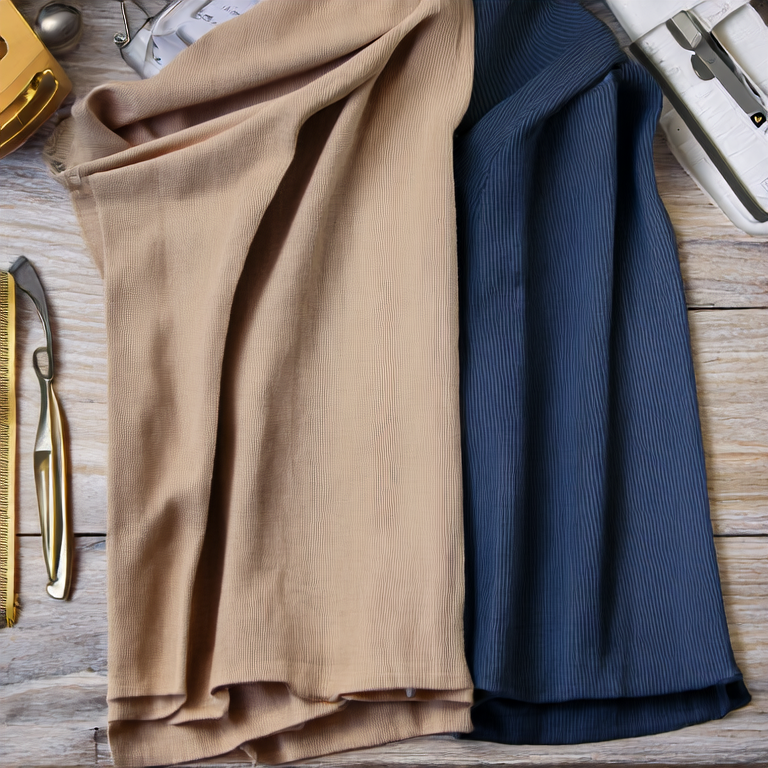
For a visual representation, see the image below.

Cotton fabric refers to textiles made from natural fibers of the cotton plant. Key terms associated with cotton fabric include:
Cotton fabric has extensive applications across various fields:
Choosing cotton fabric offers numerous benefits:
These advantages make cotton fabric indispensable in the textile industry, appealing to consumers who value comfort and sustainability.
To deepen your understanding of cotton fabric and explore trials, it's recommended to read the user guides provided by fabric suppliers. One such brand to consider is Runli, known for its high-quality cotton products. Their resources can guide you in selecting the most suitable options for your needs.
Q: Is cotton fabric eco-friendly?
A: Yes, cotton is biodegradable and can be produced sustainably, making it an eco-friendly choice compared to synthetic fabrics.
Q: How do I care for cotton fabric?
A: Cotton fabric can generally be machine washed in cold water and tumble dried on low heat. Always check care labels for specific instructions.
Q: What are the differences between various types of cotton fabric?
A: Different types of cotton fabrics vary in texture, weave, and weight. For instance, percale cotton has a crisp feel, while sateen offers a silky texture.
By understanding the various facets of cotton fabric, consumers can make informed decisions when selecting a fabric supplier wholesale, ensuring they choose products that meet their specific needs and preferences.
Latest News
Jul. 16, 2026
Cotton Twill Fabric: Versatile Material for Men’s and Women’s Wear
Jul. 15, 2026
Dyeing Cotton Fabric: Achieving Vibrant Colors at Home
We can Provide Customized Services
The core members of the R&D team consist of 5 members, providing customized services, continuously optimizing the production process, enhancing fabric performance, and promoting product upgrades.
Navigation
Navigation
Contacts
Tel.: +86 181 5753 1007
E-mail: info@runliglobal.com
Add.: Room 4068, Building 4, International Trade Center (Middle District), Keqiao, Shaoxing, Zhejiang,China