Nov. 06, 2026
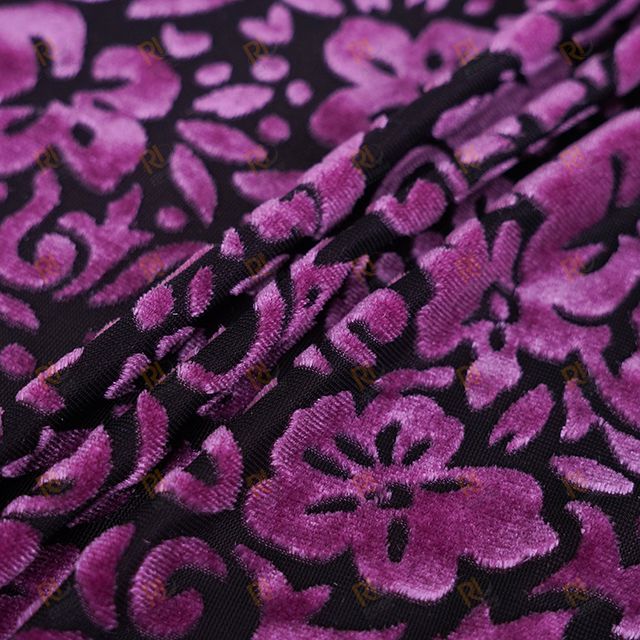
What is jacquard knit fabric? Jacquard knit fabric is a patterned textile created during knitting through controlled needle, yarn, or color selection. The design becomes part of the fabric structure instead of being added as a surface print. Compared with woven jacquard, knitted jacquard usually offers greater stretch, softer drape, and a more flexible construction.
!
I define jacquard knit fabric as a knitted material in which needles and yarn feeds are programmed to form repeated motifs, geometric designs, logos, textures, or multicolor images. Jacquard describes the construction method, not the fiber itself, so the fabric may contain cotton, polyester, viscose, nylon, wool, acrylic, elastane, or blended yarns. The final properties depend on fiber composition, machine gauge, stitch structure, fabric weight, and finishing treatment.
Unlike printed fabric, jacquard knit fabric does not rely only on pigment or dye placed on the surface. The pattern is formed through loops, floats, tuck stitches, plated yarns, or selected color feeds, which can create visible texture on the face and a characteristic back construction. This structure gives the material visual depth, but it also affects thickness, stretch, recovery, snag resistance, and pattern stability.
The process begins with a digital or physical pattern that is converted into machine instructions. During knitting, the control system selects specific needles, yarn carriers, or stitch actions for each row. The machine may knit one color at a time, carry several yarns across a row, form tuck stitches, or combine different stitch structures to create the intended motif.
In knitted pattern construction, the designer must consider more than the appearance of the artwork. A motif that looks proportional on a screen may become wider, narrower, or vertically distorted after the fabric relaxes. I normally review repeat size, stitch density, yarn thickness, machine gauge, color count, and the direction of stretch before approving a production sample.
Single jacquard knitting generally produces a lighter, more flexible fabric with a patterned face and a relatively simple reverse side. Double jacquard knitting uses two needle beds or a more complex layered structure, allowing the manufacturer to create heavier fabrics, reversible effects, raised surfaces, and more stable back constructions. Double structures can also increase fabric weight and reduce flexibility, so the specification must match the intended garment.
A typical production sequence includes yarn preparation, pattern programming, machine setup, trial knitting, inspection, finishing, and final testing. The supplier first confirms yarn count, fiber composition, color references, and the required fabric width or tubular diameter. The knitting machine then produces a trial panel so the buyer can check motif scale, color interaction, surface texture, and reverse-side appearance.
After knitting, the fabric may be washed, compacted, brushed, heat-set, dyed, or otherwise finished. These treatments influence final GSM, width, shrinkage, hand feel, and recovery. For this reason, I recommend evaluating the finished fabric rather than approving a design from an unprocessed knitting panel alone.
When I source jacquard knit fabric, I use a written specification sheet before discussing price or bulk production. This prevents a supplier from interpreting terms such as “medium weight,” “stretchy,” or “soft” differently from the buyer. A practical checklist should include the following measurable details:
These details are especially important for wholesale knit fabric because a small construction change can affect cutting yield, sewing settings, garment weight, and customer returns. Runli, for example, presents customization around yarn count, fabric weight, dyeing effects, sampling, and bulk textile supply. Buyers should still request a product-specific technical sheet because a general supplier capability does not replace fabric-level confirmation.
Whether jacquard knit fabric is stretchy depends on the knit structure and fiber blend. A cotton single-knit jacquard may have moderate widthwise extension, while elastane, rib structures, or double-knit constructions can produce higher stretch and recovery. I would not approve the fabric based on the word “stretch” alone; I would request extension and recovery results in both directions.
The pattern structure can influence fit and drape. Large motifs may distort more across curved body areas, while dense double jacquard can hold its shape but feel heavier. A fabric with floating yarns on the reverse may require lining or careful garment engineering if the floats can catch on jewelry, fasteners, or rough surfaces.
Durability also depends on fiber, stitch density, finishing, and end use. Integrated patterning can resist surface fading better than a low-quality print, but the fabric may still pill if the yarn is composed of short fibers or if the surface receives repeated abrasion. For sweaters, sportswear, and upholstery, I would test pilling, snagging, seam performance, washing shrinkage, and colorfastness before placing a production order.
The main advantage of jacquard knit fabric is that it combines patterned appearance with the comfort and flexibility associated with knitted materials. Common applications include sweaters, cardigans, dresses, tops, skirts, fashion jackets, socks, scarves, hats, and other accessories. Designers can use small repeats for commercial basics or larger motifs for statement garments.
Sportswear and performance apparel require more careful construction choices. A jacquard pattern can add visual identity without applying a separate print, but the fabric must meet requirements for stretch, recovery, moisture management, abrasion resistance, and colorfastness. Double-knit jacquard may suit structured leggings, jackets, or uniforms, while a lighter single-knit construction may work better for tops and base layers.
Home textile applications include cushion covers, throws, blankets, decorative panels, and selected upholstery products. For upholstery, I would prioritize abrasion testing, snag resistance, seam slippage, lightfastness, and dimensional stability over softness alone. A fabric that performs well in a sweater may not be suitable for furniture because the loading, friction, and cleaning conditions are different.
Jacquard is not automatically the best solution for every patterned textile. I compare it with printing, embroidery, intarsia, plain knit, and woven jacquard according to the required appearance, stretch, production quantity, and budget.
| Method | How the design is formed | Main advantage | Main limitation | Typical uses |
|---|---|---|---|---|
| Jacquard knit | Needles and yarn selection create the pattern during knitting | Integrated color, texture, and stretch | More complex sampling and possible back floats | Sweaters, dresses, sportswear, accessories |
| Printed knit | Ink or dye is applied to a knitted base | Flexible artwork and lower design complexity | Surface wear, cracking, or fading may occur | T-shirts, casualwear, promotional garments |
| Embroidery | Thread is stitched onto finished fabric | Raised logos and localized decoration | Adds weight and can restrict stretch | Logos, uniforms, accessories |
| Intarsia | Separate yarn areas create clean color blocks | Reduced long floats and clear color separation | More yarn management and higher production complexity | Sweaters, geometric garments |
| Plain knit | One main stitch structure without integrated motif | Lower cost and simple cutting and sewing | Limited visual pattern without added decoration | Basics, linings, lightweight apparel |
| Woven jacquard | Warp and weft yarns form the pattern | Stable structure and detailed surface design | Less stretch and usually firmer drape | Upholstery, jackets, furnishing fabrics |
The difference between jacquard knit fabric and woven jacquard fabric begins with the fabric architecture. Knitted jacquard is formed from interlocking loops, while woven jacquard is formed from perpendicular warp and weft yarns. As a result, knitted jacquard generally provides more natural extension and a softer drape, whereas woven jacquard commonly provides greater dimensional stability and a firmer hand.
This distinction affects product development. A knitted jacquard garment may need recovery testing, stabilizing seams, and pattern adjustments to control growth during wear. A woven jacquard product may require more ease for movement because the fabric has limited stretch unless elastane or a stretch construction is included.
Neither method is universally superior. I would select knitted jacquard for garments that need comfort, flexibility, and integrated pattern texture, while woven jacquard is often more suitable for structured apparel, bags, decorative panels, curtains, and upholstery. The correct decision should follow the use conditions rather than the word “jacquard” alone.
I use a four-part decision process when selecting fabric for a clothing or home textile project. First, I define the required silhouette, movement, contact conditions, and washing method. Second, I specify the target composition, GSM, width, gauge, repeat size, and recovery range. Third, I compare a knitted sample with printed, embroidered, intarsia, or plain-knit alternatives. Fourth, I test the finished sample under conditions that resemble actual use.
Choose jacquard knit fabric when the design should be integrated into the material, when texture and visual depth are important, or when the product requires more flexibility than a conventional woven fabric. Choose print when the artwork is highly detailed, the design changes frequently, or the base fabric should remain thin and simple. Choose embroidery when the pattern is localized, such as a chest logo, and choose intarsia when clean color blocks with fewer long floats are the priority.
For small clothing businesses and fashion designers, sampling cost and minimum order quantity can be decisive. I recommend asking for a small trial order, a knitted pattern panel, and a finished sample in the intended colorway before ordering wholesale knit fabric. Suppliers with integrated spinning, knitting, dyeing, and finishing resources may simplify development, but the buyer should still approve each technical parameter in writing.
A supplier sample should be tested as a material, not judged only by touch or appearance. I normally compare the approved sample with the production lot for GSM, usable width, repeat alignment, color shade, thickness, and reverse-side construction. For patterned fabrics, I also inspect whether the motif remains aligned across the roll and whether the repeat shifts at the edges.
The following tests provide a practical starting point:
Runli describes a textile operation with 16 years of core team experience, more than 3,000 textile equipment units, annual fabric capacity of 100 million meters, and testing or certification resources that include ISO systems, SGS testing, OEKO-TEX STANDARD 100, GOTS, GRS, BCI, and organic-content standards. These figures can help a buyer understand the supplier’s stated operating scope, but I would still request current certificates, test reports, and fabric-specific results for the exact jacquard construction.
Care instructions should reflect the fiber blend and finishing method rather than the jacquard label alone. Many knitted fabrics benefit from cold or low-temperature washing, mild detergent, reduced mechanical agitation, and flat drying. Heat, aggressive tumble drying, and high friction can increase shrinkage, distortion, pilling, or surface damage.
Before finalizing a garment care label, I wash the finished fabric or garment through the intended number of cycles and measure dimensional change. I also check whether the motif becomes distorted, whether dark and light yarns bleed into each other, and whether the reverse-side floats remain secure. A supplier’s recommended care method should be verified against the actual production sample.
What is jacquard knit fabric? It is a patterned knitted textile in which controlled needle, yarn, or color selection creates the design as part of the fabric structure. This construction can provide integrated patterning, texture, visual depth, stretch, and useful durability, but the result depends on fiber composition, gauge, GSM, stitch structure, finishing, and back construction.
I would choose jacquard knit fabric for sweaters, dresses, tops, sportswear, accessories, and selected home textiles when the product needs a built-in pattern rather than a surface decoration. Before purchasing, I would confirm repeat size, color count, yarn composition, machine gauge, GSM, stretch, recovery, finished width, and reverse-side construction. I would then approve a finished sample and test shrinkage, colorfastness, pilling, snagging, recovery, and motif alignment before bulk production.
Latest News
Nov. 10, 2026
What Makes a Knit Fabric Suitable for Leggings? Stretch, Recovery, and Opacity
Nov. 10, 2026
Flat Back Rib vs Regular Rib Knit: What Are the Differences?
We can Provide Customized Services
The core members of the R&D team consist of 5 members, providing customized services, continuously optimizing the production process, enhancing fabric performance, and promoting product upgrades.
Navigation
Navigation
Contacts
Tel.: +86 181 5753 1007
E-mail: info@runliglobal.com
Add.: Room 4068, Building 4, International Trade Center (Middle District), Keqiao, Shaoxing, Zhejiang,China