Knitted Cotton Fabric: 5 Types & Key Characteristics

Jun. 08, 2026


Introduction


You feel it in your favorite T-shirt, your coziest sweatshirt, and your most comfortable loungewear. That signature softness, flexibility, and comfort come from knitted cotton fabric. But what exactly is knitted cotton? As textile manufacturing experts, we believe understanding a fabric’s structure is the key to creating better products. This guide explains what knitted cotton is, how it is made, and why it has become one of the most popular materials in modern apparel. Our mill holds ISO 9001, OEKO-TEX Standard 100, and GOTS certifications:


What Is Knitted Cotton?


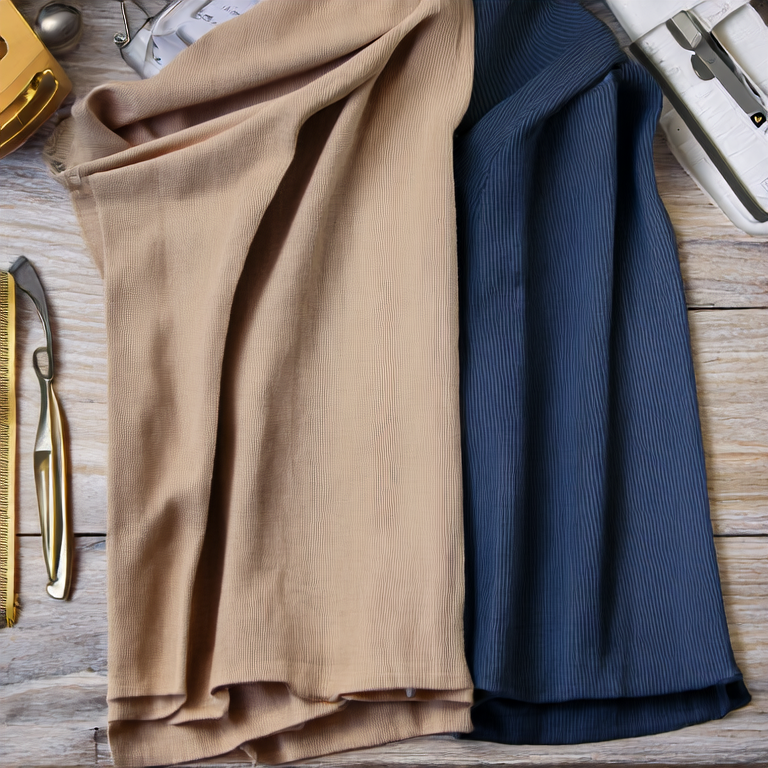
Knitted cotton fabric is made by interlocking yarns into a series of loops. This unique looped construction gives the fabric its natural stretch, soft hand feel, and excellent flexibility. Unlike woven cotton fabric, which is produced by crossing horizontal and vertical yarns in a tight crisscross structure, knitted cotton is formed through connected loops that allow the fabric to move and stretch more freely. Simply put, the interconnected loops in knitted cotton create a fabric that feels softer, stretches naturally, and provides greater comfort for everyday wear. This is why knitted cotton is widely used for T-shirts, sweatshirts, loungewear, underwear, and other comfort-focused garments.


How Is Knitted Cotton Made?


The unique performance of knitted cotton comes from the way the fabric is constructed. Unlike woven fabrics, which are produced by interlacing two sets of straight yarns in a rigid grid structure, knitted cotton is made by continuously looping yarns together.


You can think of the difference like this:

  • ·   Woven fabric is structured like a firm grid, creating a stable and less flexible material.

  • ·   Knitted fabric is formed through interconnected loops, allowing the fabric to stretch and move more naturally.


This looped construction is what gives knitted cotton its signature softness, flexibility, and natural stretch — even without adding elastic fibers such as spandex. Because the loops can expand and recover easily, knitted cotton fabrics provide greater comfort and freedom of movement, making them ideal for everyday apparel and casual wear.


image.png


Knitted Cotton vs. Woven Cotton


Understanding this core difference is fundamental for any apparel professional.


FeatureKnitted Cotton FabricWoven Cotton Fabric (e.g., Poplin)
StructureInterlocking loops of yarnCriss-cross grid of warp & weft yarns
StretchNaturally stretchy and flexibleRigid and stable, no natural stretch
Wrinkle ResistanceGood; the loops tend to recoverProne to wrinkling and creasing
BreathabilityGenerally very breathableVaries by weave tightness
Best ForT-shirts, sweatshirts, sportswear, leggingsDress shirts, trousers, structured dresses


The Pros and Cons of Knitted Cotton


Thanks to its looped construction, knitted cotton offers a unique balance of comfort, flexibility, and practicality. However, like any fabric, it also has certain limitations that manufacturers and buyers should consider.


Advantages

Exceptional Comfort & Softness: The looped structure creates a fabric that feels naturally soft, smooth, and comfortable against the skin, making it ideal for everyday apparel.

Natural Stretch & Flexibility: Knitted cotton moves easily with the body, providing excellent flexibility and freedom of movement even without added elastic fibers. For enhanced stretch recovery, spandex is often blended into the fabric.

Good Wrinkle Resistance: Compared with woven fabrics, knitted cotton is less likely to develop sharp creases because its flexible loop structure can recover more easily after folding or wearing.

Easy Care & Maintenance: Most knitted cotton fabrics are machine washable, breathable, and easy to maintain, making them a practical choice for daily wear garments.


Disadvantages

Prone to Pilling: The softer and looser surface structure can make knitted cotton more susceptible to friction, which may lead to pilling over time.

Tip: Fabric quality and pilling resistance are often evaluated according to standards such as ASTM D3512.

Possible Shrinkage or Deformation: Improper washing or drying conditions, especially high temperatures, can cause knitted cotton fabrics to shrink, stretch out, or lose shape.

Can Snag Easily: Because the fabric is formed by interconnected loops, sharp objects may catch the yarns and create pulls, snags, or holes in the fabric surface.


The 5 Major Types of Knitted Cotton: A Comprehensive Analysis


Not all knits are created equal. Here are the five essential types of cotton knits you will commonly encounter.


What Is Cotton Jersey Knit?

This is the most common type of knit fabric. It is a single knit, meaning it is made with one set of needles. You can identify jersey knit by its distinct front and back surfaces: the face side is smooth with fine vertical ribs, while the back side has a softer, looped texture. It is lightweight, breathable, and has a natural drape, making it ideal for T-shirts and casual wear. However, because of its single-knit construction, the edges tend to curl when cut.


What Is Double Knit Cotton?

Interlock is the most common example of double knit cotton. It is made by interlocking two layers of single jersey fabric together. You can think of it as two jersey fabrics joined back-to-back, creating a smooth surface on both sides. Compared with single jersey, double knit fabric is thicker, heavier, and more stable. It also resists edge curling and provides a more substantial, premium feel. These characteristics make it ideal for high-quality polo shirts, baby clothing, and elevated casual wear.


What Is Cotton Piqué Knit?

Piqué (pronounced pee-kay) is a type of knit fabric known for its textured, three-dimensional surface, often featuring waffle, honeycomb, or bird’s-eye patterns. This textured construction creates small air pockets that improve airflow and breathability. Its balance of texture, structure, and comfort has made piqué the classic fabric choice for polo shirts.


What Is French Terry Fabric?

French terry is a weft-knit fabric that features a smooth face side and soft, absorbent loops on the back side. It is considered a medium-weight fabric — heavier than a T-shirt jersey but lighter than traditional fleece. The looped inner surface provides good moisture absorption and comfort, making French terry popular for loungewear, shorts, hoodies, and lightweight sweatshirts.


What Is Rib Knit Cotton?

Rib knit cotton is created by alternating rows of knit and purl stitches, forming visible vertical ribs throughout the fabric. This structure gives rib knit excellent crosswise stretch and recovery, significantly more than standard jersey knit. As a result, rib knit fabrics can stretch easily while still maintaining their shape. Cotton rib knit is commonly used for sweatshirt cuffs, collars, and hems, as well as fitted garments such as tank tops and bodysuits.


How to Wash Knitted Cotton Garments (Without Shrinking)


Proper washing and drying methods are essential for maintaining the softness, shape, and durability of knitted cotton garments. Incorrect care, especially high heat or improper drying, can easily cause shrinkage or distortion.


Tools You Need to Wash Knitted Cotton Clothing

Tools & Materials Needed:

  • ·   Mild, color-safe liquid detergent

  • ·   Mesh laundry bags

  • ·   A clean towel or mesh drying rack

  • ·   Cold water


The 4-Step Washing Process


1. Preparation

Turn garments inside out before washing to help reduce surface abrasion and pilling. For delicate knitted items, place them inside a mesh laundry bag for additional protection during the wash cycle.


2. Washing

Always wash knitted cotton garments in cold water (30°C / 86°F or below). Select the “Delicate” or “Gentle” cycle on the washing machine to minimize stress on the fabric structure and reduce the risk of shrinkage.

Avoid using high heat or aggressive washing cycles, as they can damage the knitted loops and affect the garment’s shape.


3. Remove Excess Water Carefully

Important: Never hang a wet knitted garment directly after washing.

Instead, gently roll the garment inside a clean towel to absorb excess moisture. Wet knitted fabrics become heavier, and hanging them immediately can stretch the loops and permanently distort the garment.


4. Lay Flat to Dry

Lay the garment flat on a clean dry towel or mesh drying rack, away from direct sunlight or heat sources.

Carefully reshape the garment to its original dimensions while it is still damp. Flat drying helps maintain the fabric’s structure and prevents stretching or deformation during the drying process.


Conclusion


In essence, knitted cotton fabric is defined by its unique looped construction. This flexible structure gives the fabric its signature softness, natural stretch, breathability, and comfort, making it one of the most widely used materials in modern casual and athletic apparel. From the lightweight jersey used in everyday T-shirts to the textured piqué commonly found in polo shirts, each type of cotton knit offers different performance characteristics and aesthetic qualities. Understanding these knit structures helps designers, garment manufacturers, buyers, and consumers choose the right fabric for different applications. With the right fabric selection and proper garment care, knitted cotton provides long-lasting comfort, flexibility, and everyday wearability for a wide range of clothing products.


Knitted Cotton FAQ


Is knitted fabric 100% cotton?

Not always. The term “knit” refers to the fabric construction method rather than the fiber content itself. While cotton is one of the most common materials used in knitted fabrics, knits can also be made from polyester, rayon, wool, spandex blends, and other fibers. To know the exact composition, always check the fabric specification or garment label.

Does knitted cotton shrink?

Yes. Like most cotton fabrics, knitted cotton can shrink when exposed to excessive heat during washing or drying. Because knitted fabrics are made from interconnected loops, high temperatures can cause the loops to contract, resulting in shrinkage or distortion. Washing with cold water and laying garments flat to dry are the most effective ways to maintain the original size and shape.

Is knitted cotton good for hot weather?

Yes, especially lightweight and breathable knit structures. Lightweight cotton jersey and cotton piqué knits are excellent choices for warm weather because they allow better airflow and moisture absorption. However, heavier knit fabrics such as French terry or fleece are designed for warmth and may feel too hot in summer conditions.

Is knitted cotton sustainable?

The sustainability of knitted cotton depends largely on the sourcing of the cotton and the manufacturing process. Knitted fabrics made from certified organic cotton or produced under programs such as GOTS or the Better Cotton Initiative (BCI) are generally considered more environmentally and socially responsible. These standards promote reduced chemical usage, improved farming practices, and more sustainable textile production methods.


Latest News

Cotton and Polyester Fabric vs 100 Cotton Fabric: Durability

Jun. 10, 2026

Cotton and Polyester Fabric vs 100 Cotton Fabric: Durability

Cotton and polyester blends combine the natural fibers of cotton with synthetic polyester to enhance durability and wrinkle resistance. This combination creates a cost-effective fabric often used in casual clothing and home textiles.
Yard Cotton Fabric vs Pre-Cut Cotton Fabric: Which to Choose

Jun. 09, 2026

Yard Cotton Fabric vs Pre-Cut Cotton Fabric: Which to Choose

Yard cotton fabric comes in large continuous lengths and is often sold by the yard. This type allows for maximum flexibility in projects, providing the ability to cut custom sizes for any sewing or crafting needs.

We can Provide Customized Services

The core members of the R&D team consist of 5 members, providing customized services, continuously optimizing the production process, enhancing fabric performance, and promoting product upgrades.

Contacts

Contacts

Tel.: +86 181 5753 1007

E-mail: info@runliglobal.com

Add.: Room 4068, Building 4, International Trade Center (Middle District), Keqiao, Shaoxing, Zhejiang,China

Copyright © Zhejiang Runli Global Co.,LTD All Rights Reserved | Sitemap